
WebPhuket
Web Phuket Services- SEO Website Design
Web Search Engine Optimization
Immediately Improve your Online Brand Image and put your Business a head of your Competitors
Web Phuket Services- SEO Website Design & Website Performance Optimizations
SEO Web Design Optimized for Small Business

New Business Website
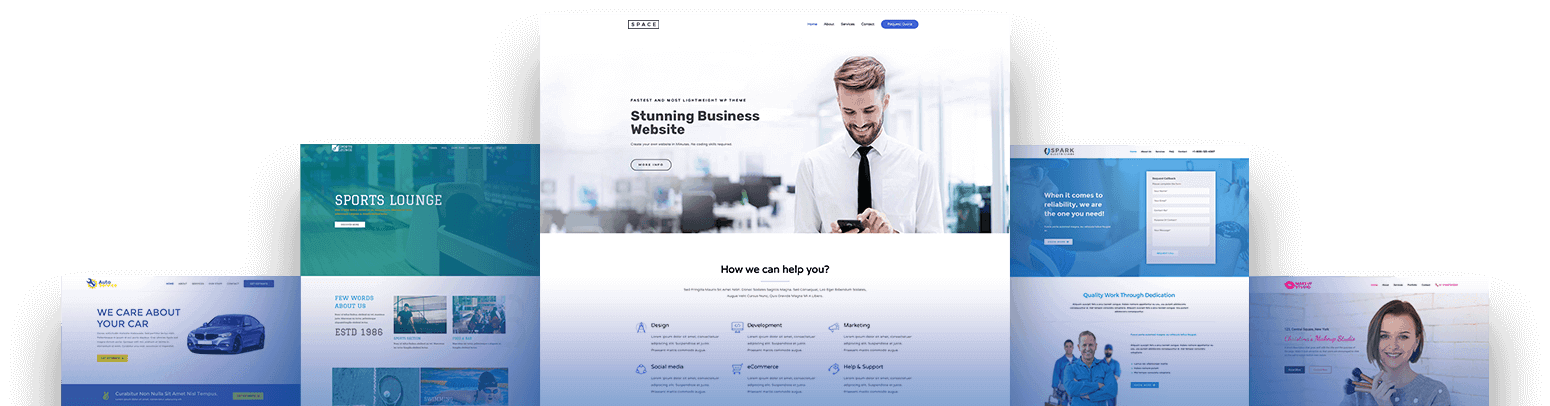
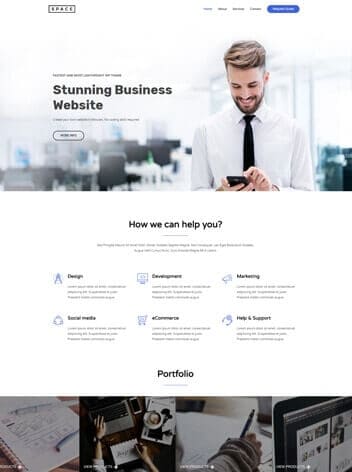
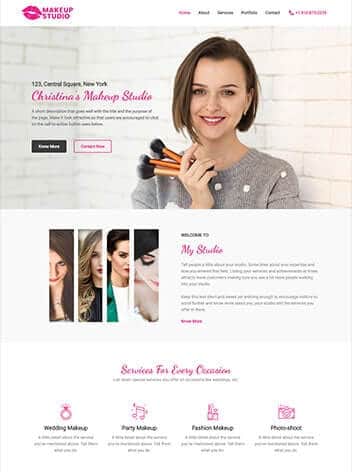
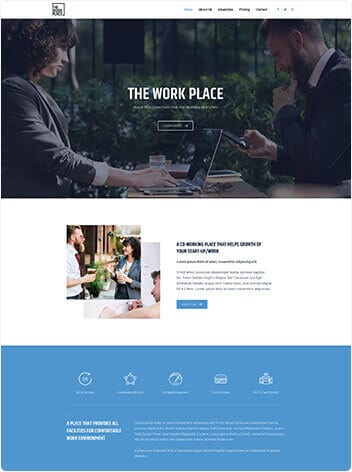
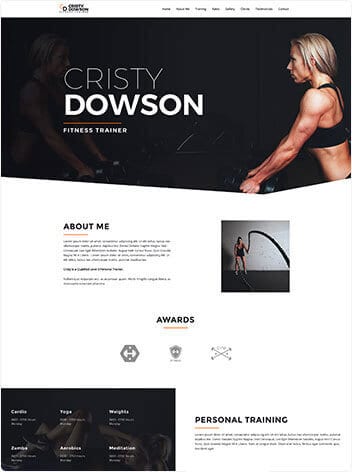
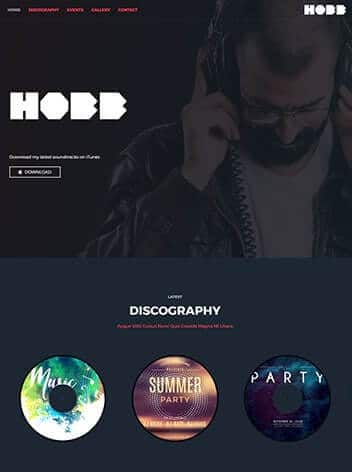
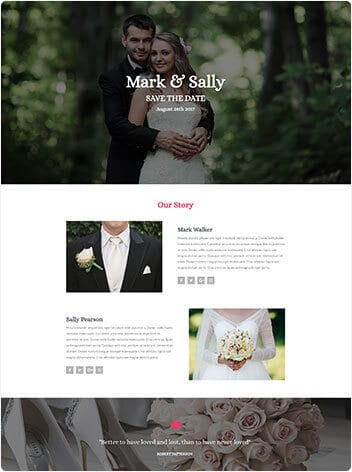
Is your website is outdated looking stale, or you have never had a small business website? WebPhuket based in Thailand can help you with a modern small business website design to promote your product and services online. We can buld any type of business website design including portfolio and ecommerce websites to showcase and feature your product or service to your poteintial customers. We have some example design templates for you to choose from (or you can have a totally new design to your exact specifications after talking with us) that we customize exactly to your brand. Your website will be custom designed by experts specifically for your small business. We do not cut corners in our design and optimizations by using the pre-made templates or themes as these are just a shell to help start you business website project of quickly,
Businesses are often surprised to learn that web design is only a fraction of what goes into creating a website for small business. We are experts at not only design but also project planning, marketing, content creation, programming, and system administration and then deliverying the monthly update and maintenance schedules.

Upgrade Existing Website
You already own your own business website but the content needs updating and its performance is slow. We would migrate your website to our managed WordPress servers. Then update your website content so it is current and build a new look that would refresh your brand business websites immediately. We would also make improvements in your website speed and the essential SEO optimizations starting with quick SEO wins by optimizing your website images and content with our SEO tools.
Free Website Audit Report

Search Engine Optimization
You are happy with your current business website but would like more online inquires. We can provide a free review of your website and send a report on recommended actions & features to improve your business online performance and SEO . Then we would quote to implement the design and the optimizations suggested. You will see an immediate improvement in key metrics traffic and hopefully more online generated leads.
Web Phuket Services
WordPress SEO Website Design
Every business, big or small, requires a professional website as it is a key marketing tool. However, getting started can be quite intimidating for those that have never handled a website before. A website can be one of the most important elements of a business, helping build trust amongst clients or turning away potential customers.
Getting a small business website can be one of the biggest challenges that small business owners have to face. The task becomes even more difficult as the options are unlimited and the costs can swing from one end of the scale to another without you being able to make any logic out of it. The focus of a professional website designer must be to create a website that can drive more meaningful and relevant traffic to your business, generate more leads and minimize the problems that users across the spectrum might run into while navigating through the website for various reasons and needs.
If you need a new business, e commerce website or personal Website, or would like to update an existing Website to a new website that is optimized for speed and SEO, so your business is clearly visible online, please contact WebPhuket today and we can help.
SEO Web Design
Using SEO web designed templates, we can quickly create and build your new website so that you will be online and visible to the world quickly and start generating online leads.
After Google‘s announcement of mobile-first index, it is essential to have your small business website responsive. This means that your site will adapt and rearrange when viewed on mobile devices. But that in itself will not make your website mobile friendly. You will need to insure that your website provides a user friendly experience across all devices and this is part of your business website design process we deliver with WebPhuket.
Using the latest SEO Website and Social Media optimization techniques, WebPhuket Services will increase your online presence and brand awareness. This is achieved through a high performing website designed, professional web design with all the latest speed and SEO optimizations plus website content inline with your business corporate identity.
Website performance and SEO optimization is a continual process so we will continue to adjust, install, and update your website for as long as you trust your website with WebPhuket and this service & SEO Plan is included in all our support plans.
WebPhuket is a online business run by a solo entrepreneur and extended team in Thailand so we have the philosophy of to maintain your business website like it is his own business. This ensure that your digital online brand design is not a cookie cutter website but a quality website with business grade customer support. Our extended team is based in Phuket and Bangkok consisting of freelance web designers and content writers to call upon if needed.
Digital Marketing
For any business today, a Digital marketing strategy is essential to reach your customers irrespective if you sell online or not. This strategy starts with a SEO designed website that shows you brand to these potential customers. This is where WebPhuket can help you.
To become highly competitive in this crowded marketplace to compete on Keywords with your competitors on the main search engines for position like Google, Bing and Yandex, a strong Social Media presence is also needed. WebPhuket is part of PC Consulting Asia and their Social Media Marketing Plans can also help with this strategy by creating Social Media Channels for you and then optimizing these channels using the latest tools and automation techniques.
Bring your Business to Life Instantly
No matter what industry you are in today, all small businesses today require a online presence irrespective if your sell a product or service online or not. A online presence raises brand awareness and establish trust in customers customers of your product or service. If your service is overseas or a significant distance away, then brand awareness and trust is paramount.
Web Phuket Services - Lead Generation
Spend More Time Running your Business
If you need us to review your current website and you are looking to generate more customers leads through a strategic social media marketing and lead generation campaign, please contact us to discuss a suitable social media marketing plan and email marketing plan, that also includes the website upgrade and SEO optimization. This would be a full Digital Marketing Strategy review.
We utilize the latest technologies in WordPress with themes and plugins optimized for Google that are amazingly fast. Performance, as well as SEO is crucial for ranking your website well especially in mobile search.
Website Design - Search Engine Optimization - Lead Generation
All You'll Ever Need is Right Here
High Performance Website
To compliment your well designed website, new Website Hosting is provided using dedicated managed website resources (no sharing of resources) and everything is optimized and designed to maximize performance. The hosting is security focused, blazing fast, and there servers are available in most parts of the world. You can choose a server closest to your target market. The hosting costs are included in our website plans.
Fastest WordPress Ever
We utilize the latest technologies in WordPress with themes and plugins optimized for Google that are amazingly fast. Performance, as well as SEO is crucial for ranking your website well especially in mobile search.
Comprehensive Website Monthly Reporting
Each month you will receive to your email address detailed SEO Reports on your website key metrics and clearly showing the comparison to the previous period so that service and optimization improvements made by WebPhuket are clear. This will clearly show your investment online grow and a return on you your digital investment (ROI). In addition to Google Analytics we provide weekly Keyword Ranking reports that clearly show how your website is ranking on the major keywords for your brand on Google and a comparison to your competitor’s rankings.

Dedicated Website Help Desk
WebPhuket services has a dedicated help desk system to answer any question report any issue that arise for responsive customer service. There is full support during office hours. We are based in Thailand, Phuket. Your site will be automatically monitored by us 24/7 hopefully preempting any serious problems for you and also compenstaing for time zone differences. If you need support over office hours in your time zone this can be provided.
Website Maintenance & Optimized for SEO
When you are subscribed to our monthly website maintenance plan monthly hosting and website updates are always performed so that your website remains fast, optimized and is current. We would also implement the latest SEO features to keep your site website ranking. There is a team always available to ensure your site remains online with a guaranteed 99% up time.
Your Custom Design
We have have created beautiful crafted small business website designs that we customize exactly to your brand that can be online quickly. Any design, style or e commerce solutions with all the design work as your brief is included in you website plan without additional cost. We can also add payment processor to your website and for credit card payments.
WebPhuket
Testimonials

“Paul was incredible to work with! Been working with him every week for over a month straight. I highly recommend him to anyone who needs IT work. He’s outstanding with communication, attention to detail, knowledge of technology, and quickly gets the job done.”
JD Salbego
Entrepreneur

“Paul service is very good. He has replied to my email rapidly. Anytime when I have requested him to add more photos on my website he would do it right away. He also sends me monthly report in order to build up my confidence toward my website. Lastly, Paul is very easy to work with. Jaran Kaewklam”